Morning Routine Ideas for People Who Hate Mornings
Morning routine ideas work better when they do not require you to wake up cheerful, motivated, or fully functional. Start with one small action that makes the next part of the morning easier.
Wake Up → Reduce Decisions → Leave Easier
Problem
Most morning routines fail because they assume you like mornings
Morning routine ideas often fail because they assume quiet, time, energy, motivation, and an empty house.
Real mornings often include alarms, tiredness, rushing, kids, pets, work messages, clothes, breakfast, bags, traffic, and phone scrolling before your brain has fully joined the day.
If you hate mornings, the routine should not depend on becoming a morning person first. It should work before you feel ready.
Better starting point: do not build a beautiful morning. Build a morning that removes one scramble.
Quick Answer
The best morning routine ideas are short, low-decision, and easy to start
The best morning routine ideas for people who hate mornings are anchored to something that already happens, remove one decision, and make the next part of the morning easier.
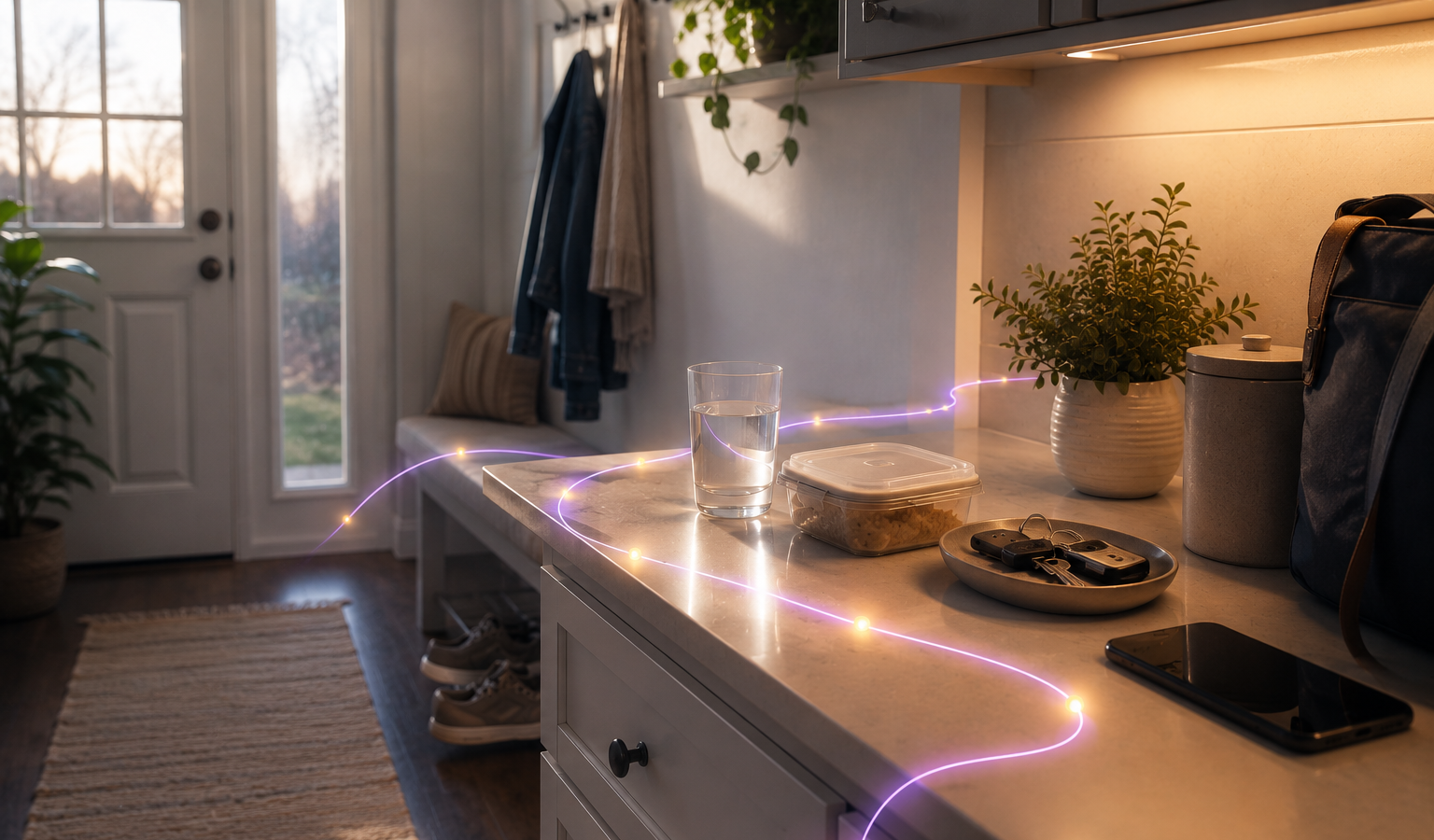
Start with a small action like putting water by the bed, choosing clothes the night before, using a default breakfast, setting a launch pad, or doing one two-minute reset before leaving.
Fit Lens
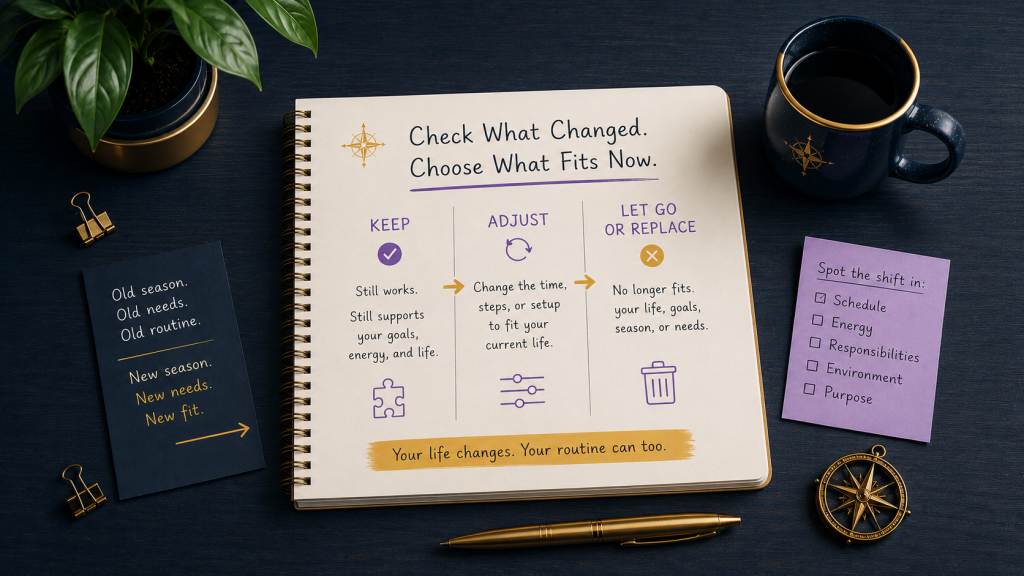
Choose your morning routine by what makes mornings hard
A better morning routine does not start with copying someone else’s schedule. It starts with naming the part of the morning that keeps breaking.
For more general routine direction, you can use the main Build Better Routines page. This article stays focused on one problem: making mornings easier when you do not naturally like them.
How to Use This List
These morning routine ideas are starting points, not a perfect schedule
You do not need to build a complete morning routine today. Choose one idea that removes pressure from the part of the morning that usually breaks. If the bigger issue is that every routine keeps falling apart, read Why You Can’t Stick to a Routine next for help diagnosing the pattern more broadly.
Be Careful With
Some morning routine advice makes mornings harder
Morning advice can sound inspiring and still be a poor fit for people who already struggle with the first part of the day.
Be careful with anything that adds pressure before it removes friction.
- 5 a.m. routines: waking earlier does not help if the routine creates more exhaustion.
- Long wellness stacks: too many “good” steps can make the morning feel impossible.
- Routines that require quiet: some homes do not offer quiet in the morning.
- Routines that start with too many decisions: the first step should be obvious.
- Influencer routines: polished mornings often hide the support, time, and editing behind them.
- All-or-nothing plans: a late morning should not erase the whole path.
- Trying to fix your whole life before breakfast: the morning only needs to help the next part happen.
Morning energy is also connected to sleep patterns. The CDC explains that sleep timing, wake time, naps, caffeine, alcohol, exercise, and medications can all be useful details to track when sleep is affecting daily energy. Read the CDC’s overview of sleep.
Small Test
A 10-minute test for morning routine ideas
Use this test before building a full morning routine. The goal is to find one anchor that makes mornings easier without adding pressure.
Rushed, tired, decision-heavy, chaotic, late, phone-heavy, or hard transition.
Waking up, brushing teeth, making coffee, getting dressed, feeding the pet, packing the bag, or opening the laptop.
Pick one thing that makes the next part of the morning easier.
Default breakfast, outfit formula, launch spot, first task, phone boundary, or bag check.
Do not add more steps yet. Notice what got easier.
FAQ
Common questions about morning routine ideas
Use these answers if you want mornings to feel less chaotic without trying to become a perfect morning person.
What is a good morning routine if I hate mornings?
A good morning routine if you hate mornings is short, low-decision, and tied to something that already happens. Start with water by the bed, a launch spot by the door, a default breakfast, or one body cue before checking your phone.
How do I start a morning routine when I have no energy?
Start with a body-first cue instead of a planning task. Drink water, open curtains, brush your teeth, wash your face, or stand up before deciding what comes next.
What is the easiest morning routine to start with?
The easiest morning routine is one small action that removes a common scramble. Put keys in the same spot, choose clothes the night before, keep water nearby, or set one grab-and-go breakfast.
How do I stop scrolling on my phone in the morning?
Move the first cue off-screen. Charge your phone away from the bed, use a physical alarm, and place water, a lamp, or another non-phone cue closer than the phone.
What should I do if I wake up late?
Use a minimum morning. Choose the few steps that keep the day moving, such as bathroom, clothes, water, keys, and out. Optional steps can wait.
How long should a morning routine be?
A morning routine can be 2 to 10 minutes if it reduces friction and helps the next part of the day happen. It does not need to fill an hour to count.